Content Calendar Best Practices for Creators and Agencies in 2025
INTRODUCTION:
A content calendar is the unsung hero behind every successful creator and agency. In 2025, with attention spans shrinking and competition rising, consistency isn’t just nice to have, it’s survival. A content calendar isn’t about filling empty dates; it’s about aligning storytelling, audience engagement, and growth with precision. Without one, creators risk burnout and agencies risk client dissatisfaction.
This blog dives into content calendar best practices, what they are, why they matter, how to build one, and how tools like Synclify are making calendars smarter with AI-powered planning, approvals, and performance insights.
What is a Content Calendar?
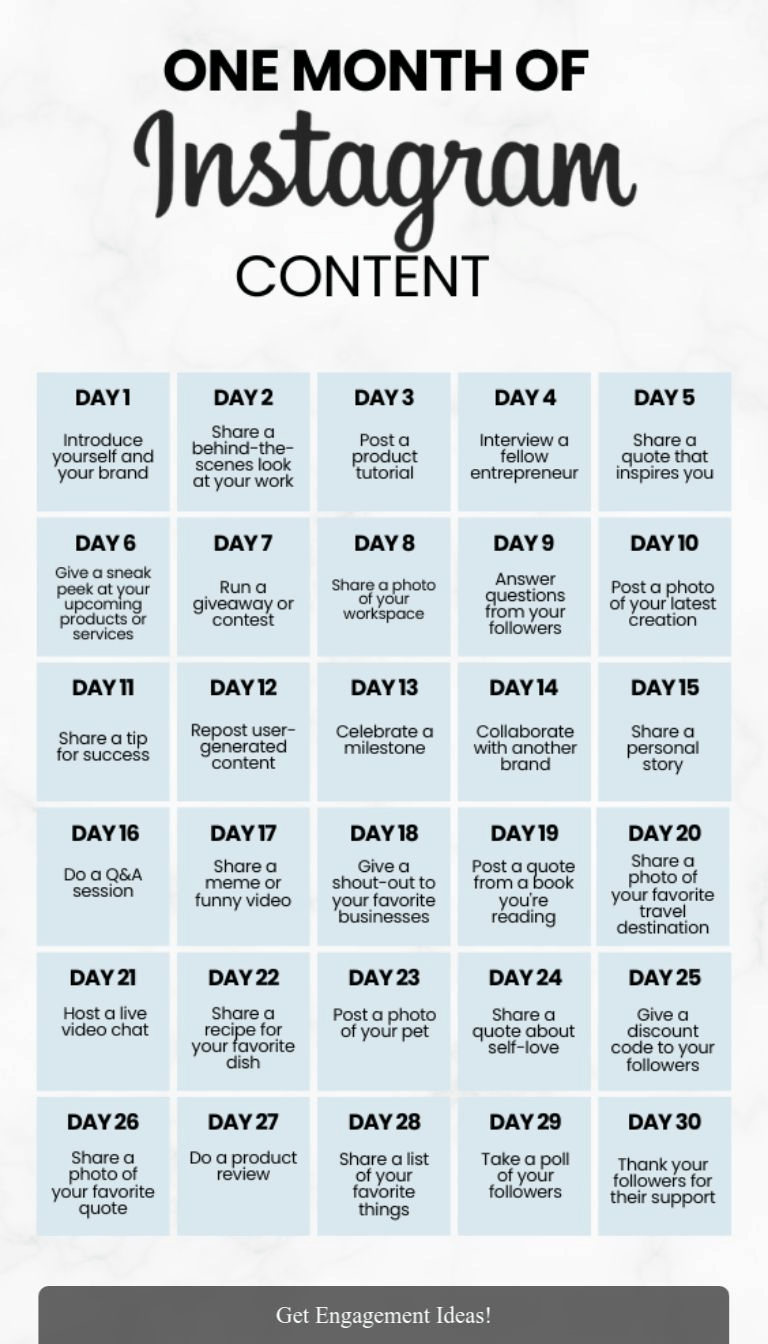
A content calendar is more than a date-filled spreadsheet, it’s a centralized hub that maps:
What content will be created
When it will be published
Where it will be distributed
Who is responsible for each stage
For agencies, it’s the single source of truth across clients. For creators, it’s the difference between posting reactively and building a brand deliberately.
Why Content Calendars Are Essential in 2025
1. Consistency Builds Trust
Audiences don’t just follow you for what you post; they follow for when and how often. A calendar ensures reliability.
2. Collaboration Without Chaos
Agencies juggle multiple voices, designers, strategists, clients. A shared calendar unites them around one timeline.
3. Campaigns That Actually Land
From product launches to holidays, syncing your content to key dates maximizes impact.
4. Creativity on Tap
When deadlines aren’t chaotic, you can focus on innovation instead of scrambling.
5. Data-Driven Growth
Calendars paired with analytics (like Synclify’s built-in performance dashboards) help refine future campaigns.
Step-by-Step Guide to Building a Winning Content Calendar
Step 1, Define Goals and Themes
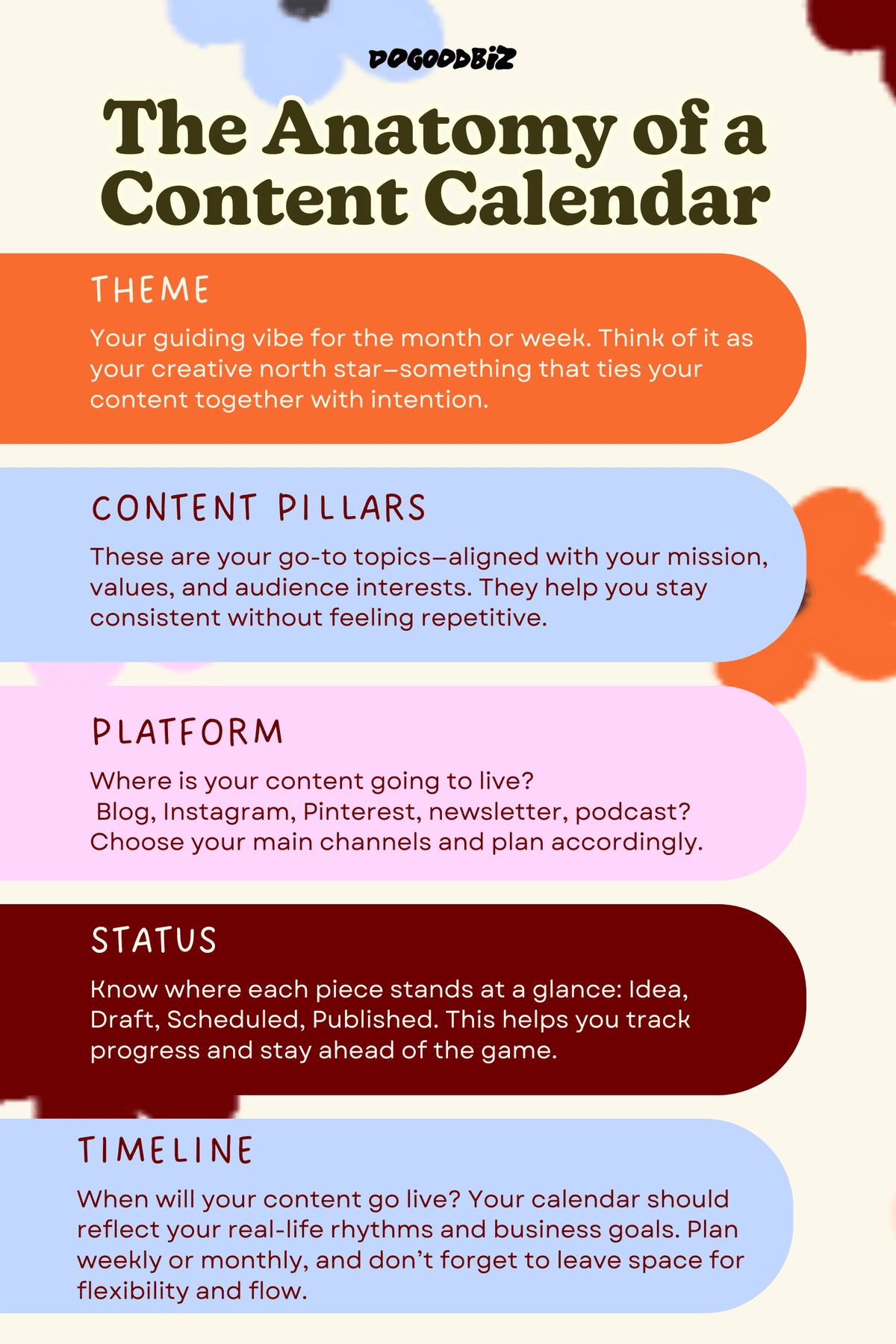
Decide if you’re aiming for awareness, engagement, or conversions. Then build recurring content pillars like:
Tutorials & how-tos
Behind-the-scenes stories
UGC highlights
Industry news
Promotions & offers
Step 2, Pick the Right Tool
Synclify: Best all-in-one for creators/agencies (calendar, approvals, influencer collabs).
Trello/Asana: Visual task tracking.
Notion: Flexible but manual setup.
Google Calendar: Simple but limited.
Pro Tip: For teams managing multiple clients, Synclify reduces approval bottlenecks with built-in workflows.
Step 3, Map Frequency and Cadence
Examples:
Instagram: 3-5 posts/week
YouTube: 1 video/week
Blog: 2 posts/month
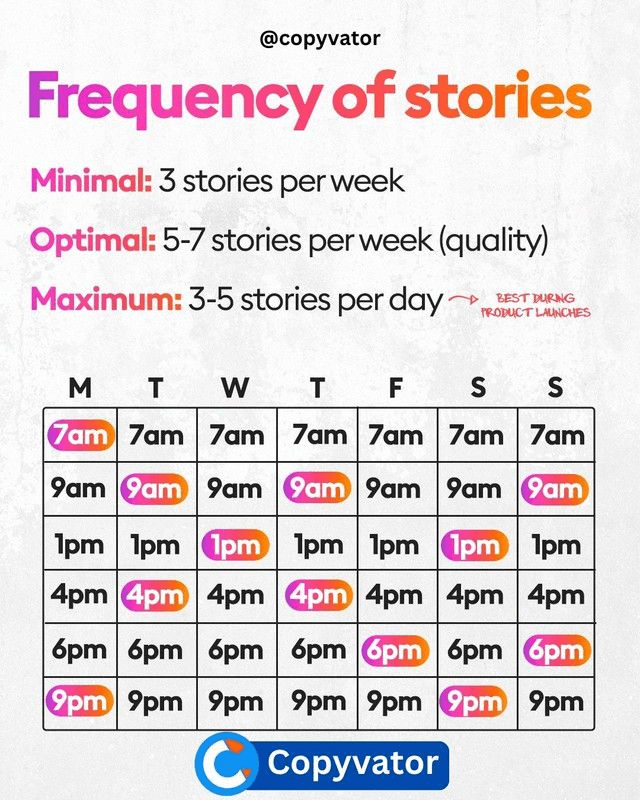
It’s not about posting more, it’s about posting better.
Step 4, Use Color Coding
Different colors for content types (blue = educational, green = promotional, yellow = UGC) give instant clarity.
Step 5, Build in Deadlines and Buffers
Plan drafts, reviews, and approvals ahead. A buffer week saves creators and agencies from chaos.
Step 6, Sync With Campaigns and Events
Align posts with launches, industry events, and cultural moments for max visibility.
How to Keep Calendars Flexible and Agile
A rigid calendar is a dead calendar. The best ones adapt.
Weekly Reviews: Adjust based on analytics.
Leave Room for Spontaneity: Viral trends can’t be scheduled.
Use Analytics: Double down on what performs; cut what doesn’t.
Collaboration & Approval Workflows
For agencies, the approval process is where content slows down. Instead of endless email chains, look for tools that support:
Role-based permissions (editor, approver, publisher)
Version tracking
Automated reminders
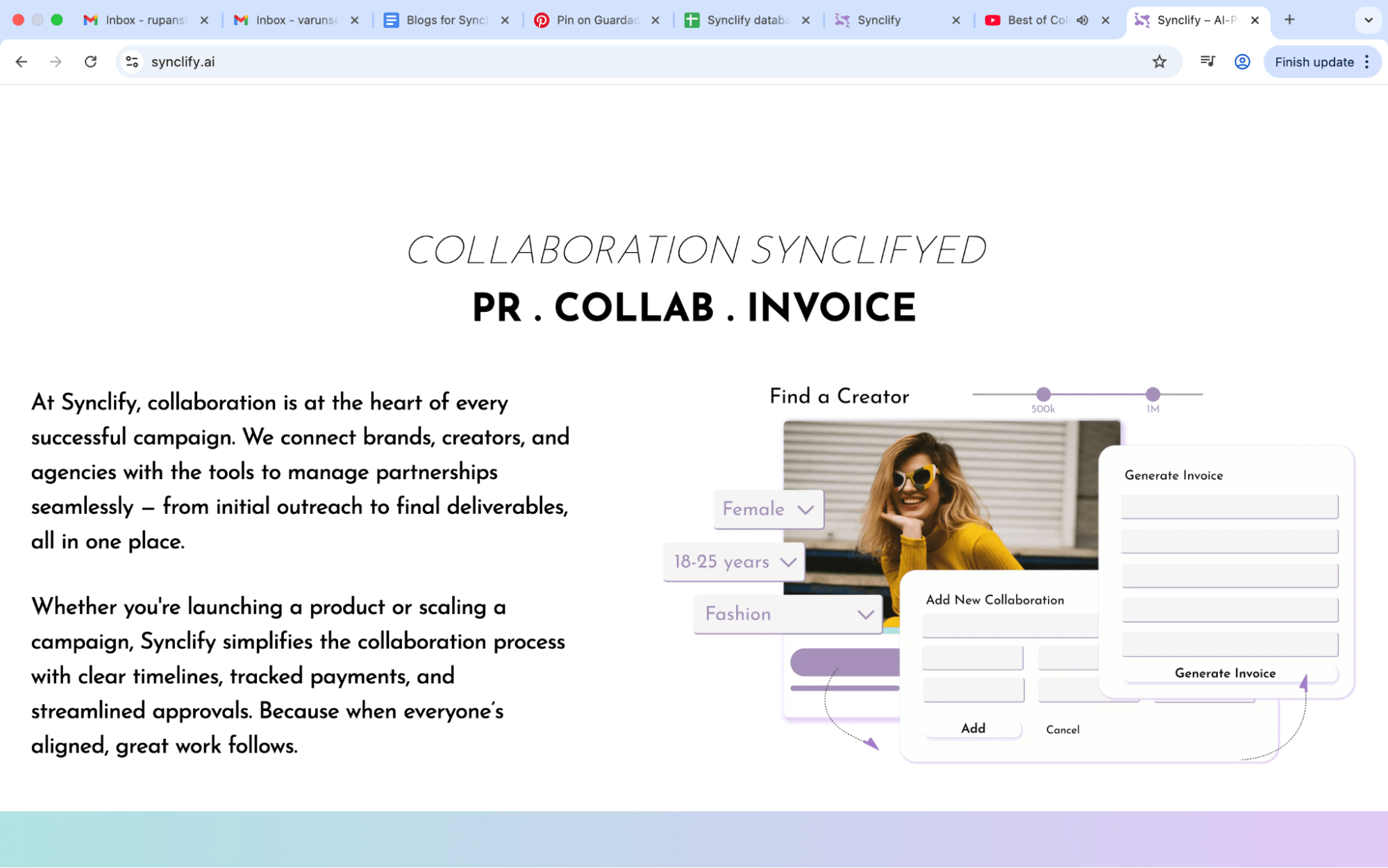
Synclify integrates all of these, letting teams move from draft to publish without bottlenecks.
Bonus Tips for Content Calendar Success
Balance evergreen with trending content
Repurpose assets across platforms
Align cross-platform campaigns for consistent storytelling
Schedule interactive posts (polls, Q&As, lives)
Plan UGC and collabs ahead to avoid last-minute rushes
Case Study, How a Boutique Agency Fixed Its Calendar Chaos
A boutique agency handling 7 clients used to miss deadlines and scramble approvals. After adopting Synclify’s color-coded, approval-based calendar system, they:
Reduced missed posts by 95%
Cut review cycles in half
Boosted client satisfaction with transparent updates
Freed up time for creative strategy
Their biggest takeaway: a content calendar isn’t a “set-and-forget” document, it’s a living system.
Final Thoughts
A well-structured content calendar is the heartbeat of modern content marketing. For creators, it’s the path to consistency. For agencies, it’s the difference between client churn and client growth. By combining clear goals, flexible planning, and the right tools (with Synclify leading the pack), you create a calendar that drives not just posts, but progress.
FAQs
Q1: How far ahead should I plan?
Creators: 1-2 months. Agencies: 2-3 months, with room for adjustments.
Q2: What if my audience prefers spontaneity?
Schedule the essentials, leave gaps for real-time updates.
Q3: How do I manage approvals with multiple stakeholders?
Use built-in approval workflows (Synclify is built for this).
Q4: Can calendars improve collaboration?
Yes, by centralizing communication, deadlines, and assets.
Q5: How do I integrate influencer content into my calendar?
Align influencer deadlines with campaign timelines and run approvals in the same system.