
Social Media Management for Companies: Strategies That Work
Introduction
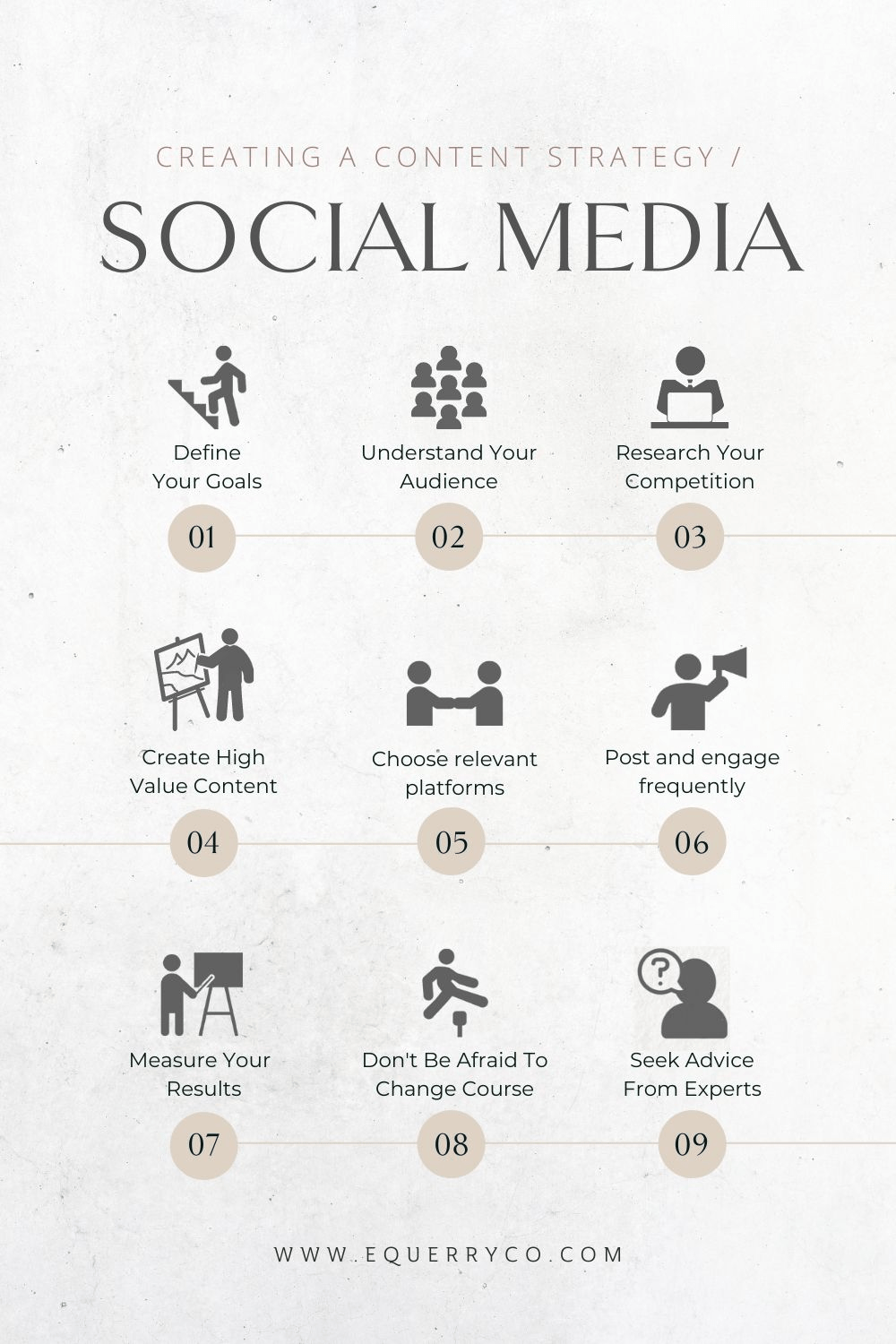
Social media is no longer a nice-to-have for companies, it’s an essential business function. But managing multiple platforms while aligning with business goals can quickly become overwhelming without a strong strategy. For companies looking to build brand authority, engage audiences meaningfully, and drive measurable results, effective social media management for companies is a must.
Why Social Media Management Matters for Companies
Companies face unique challenges: diverse audiences across platforms, strict brand guidelines, multiple teams involved, and pressure to prove ROI. Without a unified framework and the right tools, efforts risk becoming fragmented, inconsistent, and ineffective. Strategic social media management ensures alignment, consistency, and measurable outcomes.
1. Develop a Unified Content Strategy
One of the biggest mistakes companies make is creating siloed content for each platform. Instead, map out core content pillars that work across channels, such as:
-
Educational Content: Industry insights, how-tos, thought leadership
-
Promotional Content: New product launches, events, offers
-
Brand Culture: Employee stories, CSR initiatives, behind-the-scenes
-
User-Generated Content: Customer testimonials, reviews
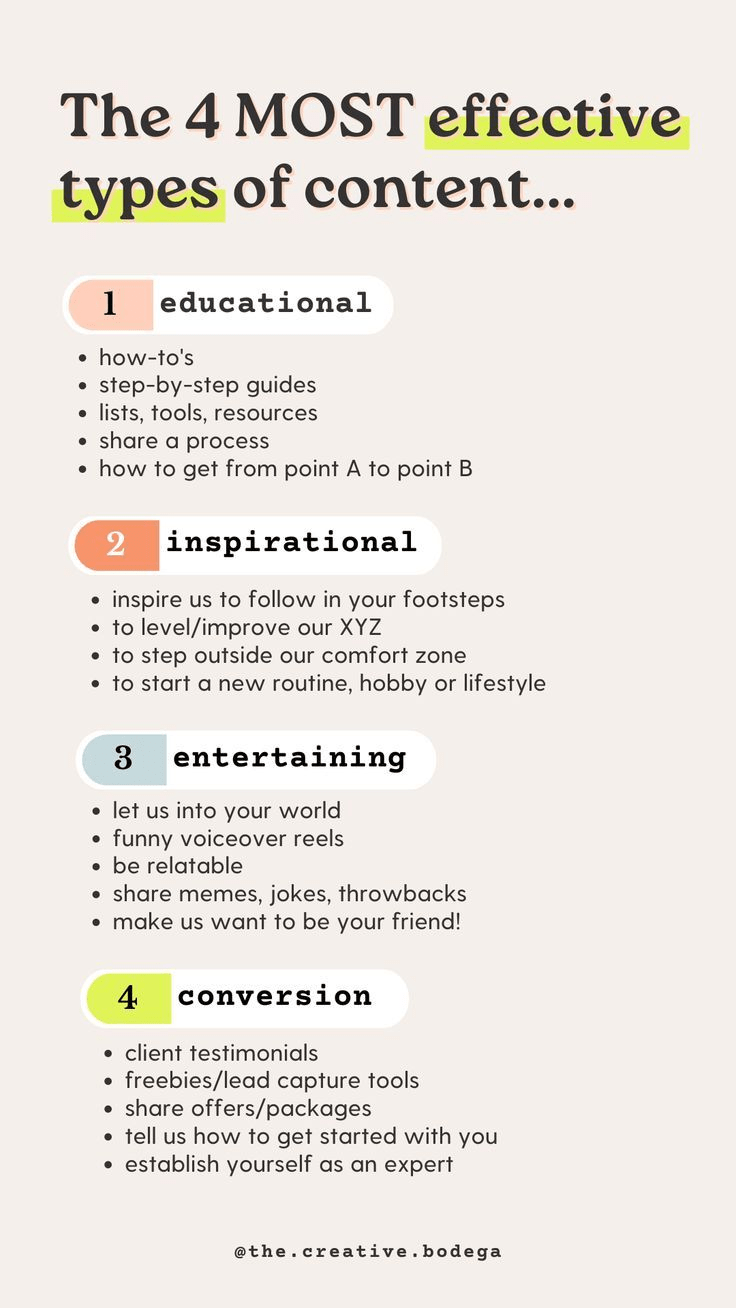
A unified strategy avoids audience fatigue, maintains consistency, and speeds up content creation.
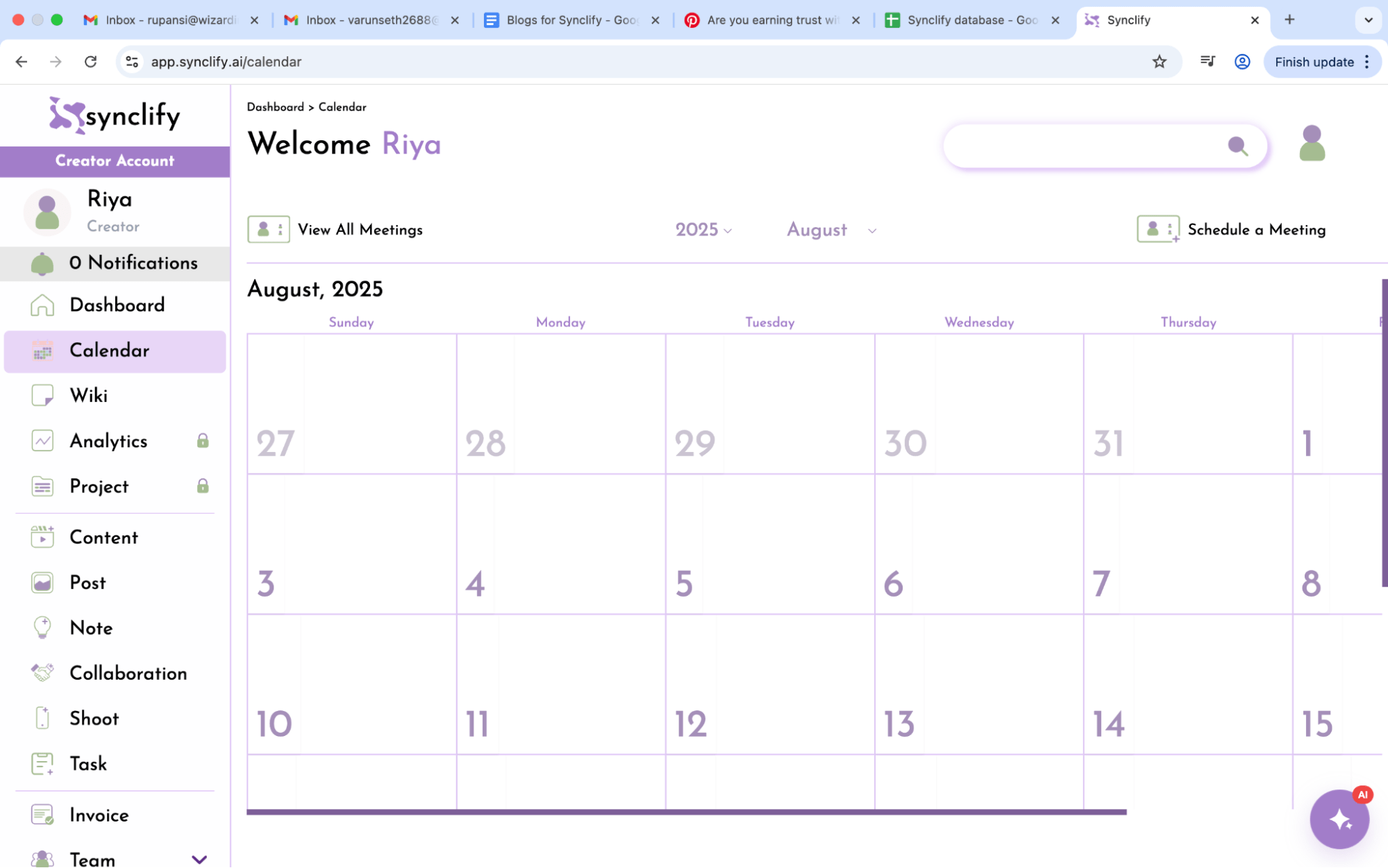
PRO TIP: Use Synclify’s content calendar to map your Instagram content pillars in one place.
2. Use Social Media Management Tools
Centralized tools save time and reduce errors. Platforms like Synclify help companies:
-
Schedule Instagram posts, Reels, and Stories from one calendar
-
Collaborate internally with approval workflows
-
Track performance in real-time
-
Manage multiple brands/accounts in one place

This minimizes manual tasks while ensuring accuracy.
3. Create Clear Approval Workflows
When multiple stakeholders are involved, approval workflows are critical. A process like:
Draft → Review → Approve → Schedule → Publish

ensures content quality and compliance with brand/legal guidelines.
PRO TIP: Choose tools with version control and built-in comment threads to avoid miscommunication.
4. Monitor KPIs and Align With Business Goals
Metrics should connect directly to company objectives. Instead of vanity metrics (likes, followers), track:
-
Website traffic from social
-
Lead generation or form fills
-
Sales attributed to campaigns
-
Customer service response time & satisfaction
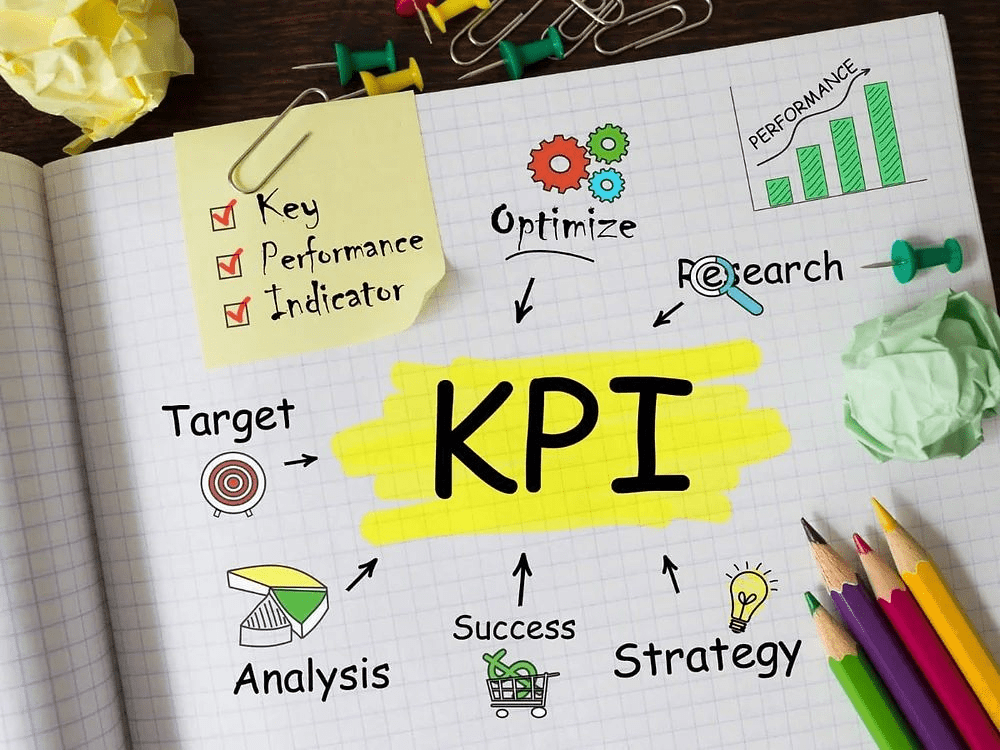
Integrating social data with CRM/sales tools helps demonstrate true ROI.
5. Embrace Real-Time Engagement
Planned content is crucial, but agility matters. Companies must:
-
Respond to customer queries
-
Join trending conversations
-
Handle PR crises quickly

This builds trust and authenticity. A dedicated community management team or listening tools make it manageable.
Case Study: Slack’s Balanced Approach
Slack balances planned campaigns with active engagement. They announce features, share customer stories, and showcase brand personality, while replying to users in real time via comments and DMs, building a loyal, interactive community.
Final Thoughts
For companies, social media management is a balancing act, strategic planning plus real-time agility, powered by the right tools. With clear content strategies, workflows, and measurable goals, businesses can turn social media from a marketing expense into a revenue-driving asset.
FAQs
Q1: What is the ideal team size for social media management in companies?
Even small teams of 2-3 people can succeed with the right tools.
Q2: How often should companies review their social media strategy?
At least quarterly, with monthly performance reviews.
Q3: Which KPIs matter most for companies?
Engagement, reach, conversion rates, customer sentiment, and ROI.
Q4: How can companies handle crisis communication on social media?
Have a clear crisis plan, respond quickly & transparently, and use listening tools.
Q5: Are approval workflows necessary for small companies?
Yes, simple review steps still improve quality and reduce risks.