
Types of Brand Collaborations, Which One is Right for You?
Introduction
Influencer and brand collaborations in 2025 are no longer one-size-fits-all. With the influencer marketing industry projected to reach $24 billion globally by 2025 (Source: Influencer Marketing Hub), the partnership landscape has diversified into formats that cater to different goals, budgets, and levels of authenticity. The right collaboration type can amplify ROI, while the wrong one may lead to wasted resources. In this guide, we’ll break down the 5 most popular collaboration types, their pros and cons, and how to decide which one aligns best with your campaign goals.
1. Paid Collaborations
This is the most traditional format where brands pay influencers a fixed fee for delivering specific content (Reels, Stories, Carousels, or Lives).
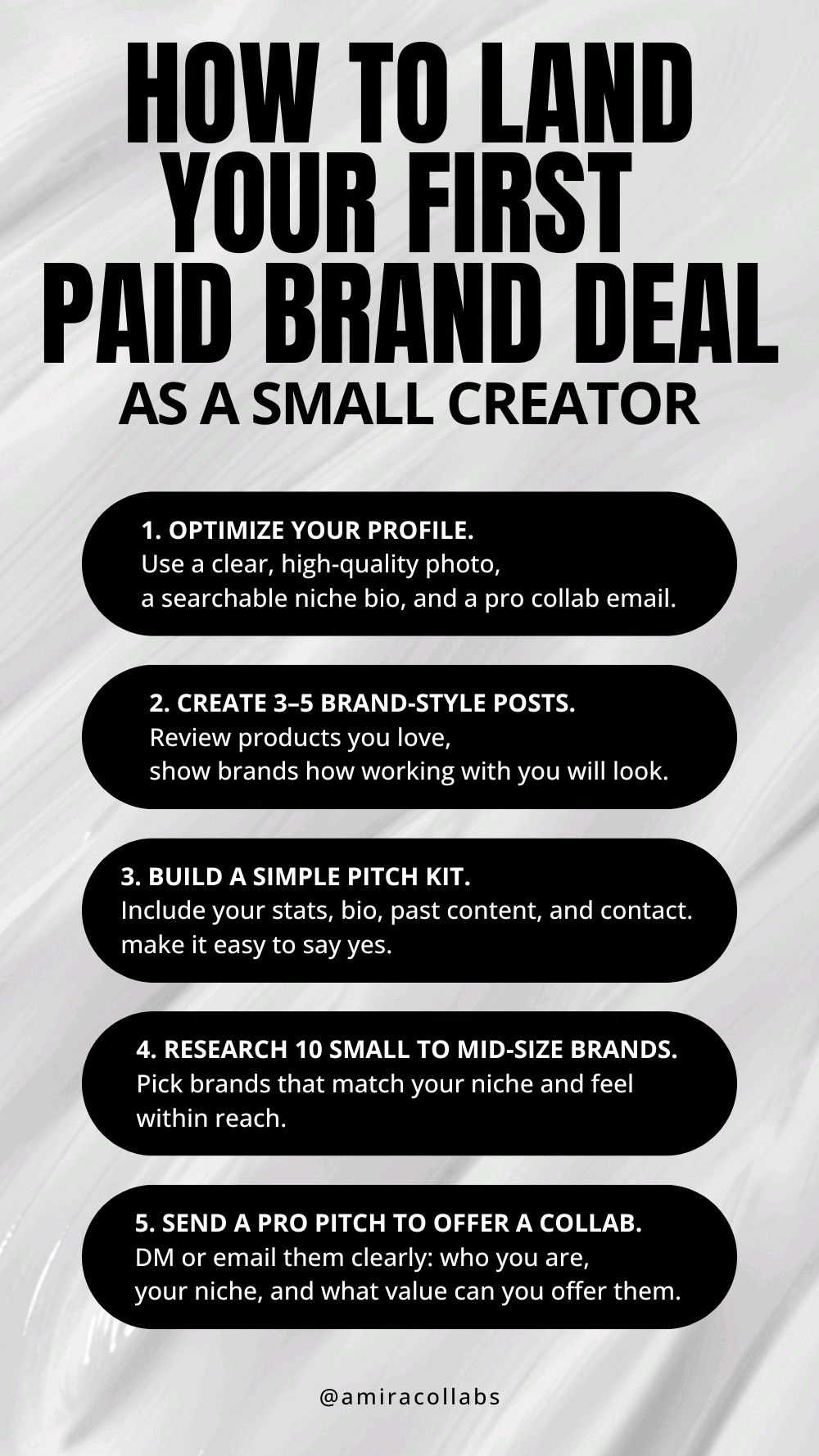
Best For: Campaigns with measurable KPIs like impressions, conversions, or brand awareness.
Payment Structure: Flat fee (per post or per campaign), upfront or post-completion.
Pros:
-
Clear expectations and deliverables.
-
Professional and scalable for large campaigns.
-
Great for product launches and timed promotions.
Cons:
-
Can be expensive, especially with macro- or celebrity influencers.
-
May appear transactional or inauthentic if overdone.
PRO TIP: Use platforms like Synclify or Grin to benchmark influencer pricing before negotiating.
2. Affiliate Partnerships
In this performance-driven model, influencers earn commissions by driving sales via unique links or discount codes.
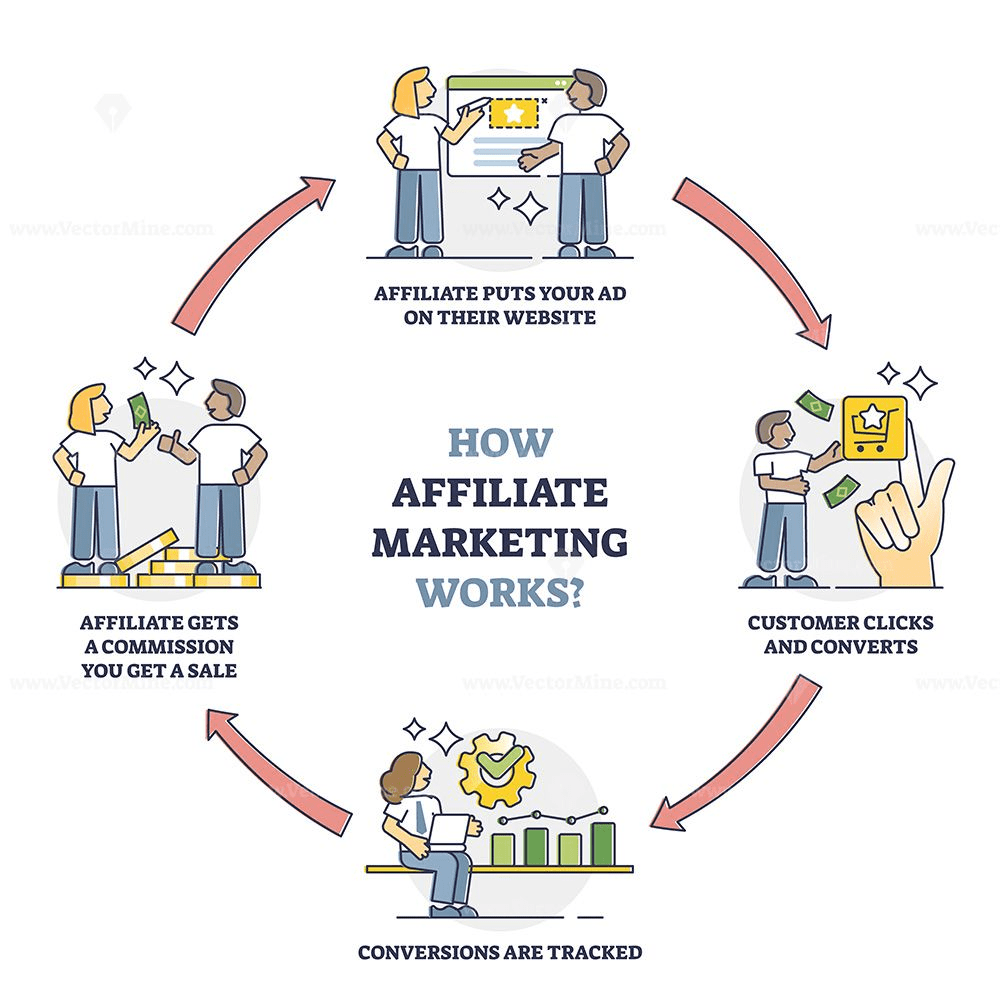
Best For: E-commerce, D2C brands, or businesses focused on measurable ROI.
Global Benchmark: Affiliate marketing accounts for 16% of all online sales (Statista 2025).
Pros:
-
Low upfront cost for brands.
-
Influencers are incentivized to promote authentically.
-
Transparent tracking with affiliate dashboards.
Cons:
-
Requires reliable tracking and payout infrastructure.
-
Success depends on influencer’s ability to convert followers into buyers.
PRO TIP: Combine affiliate + paid to balance performance and guaranteed exposure.
3. Barter Deals
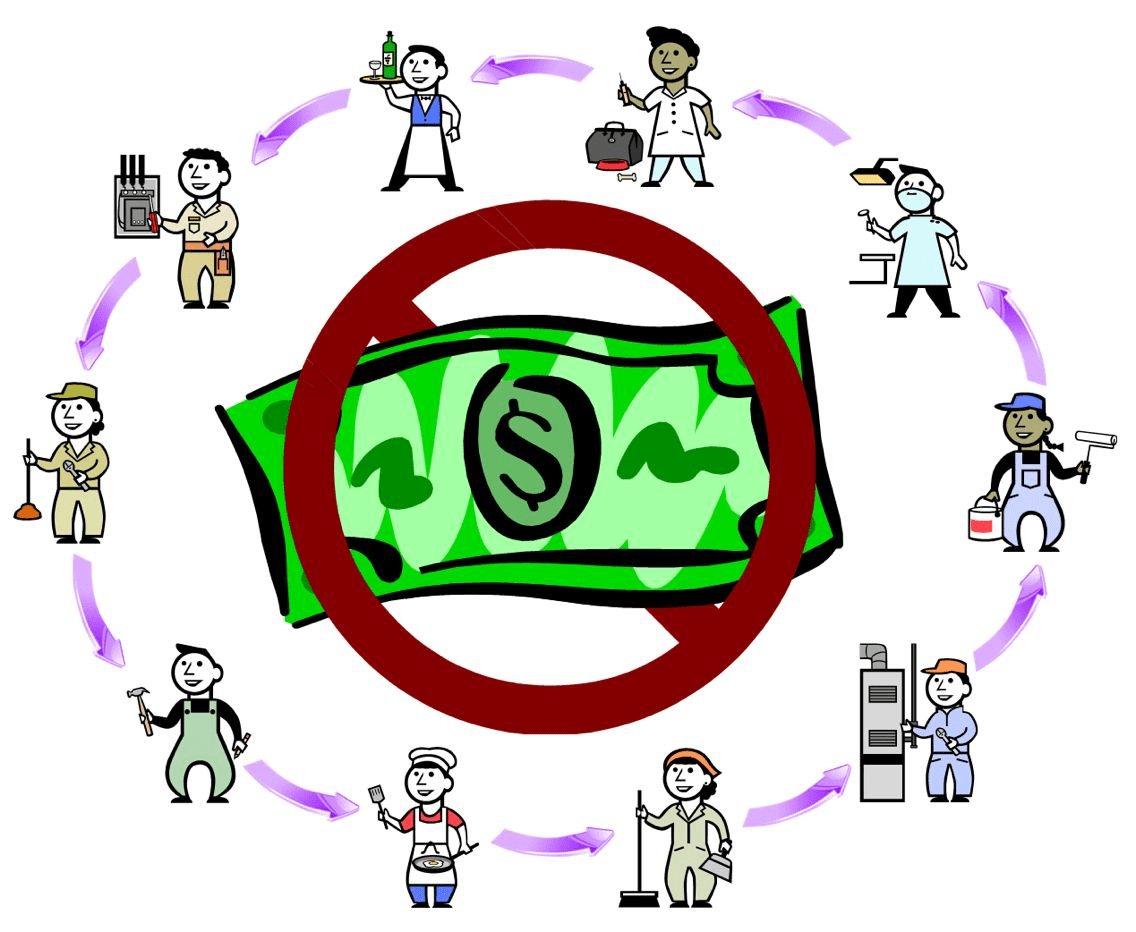
Influencers receive free products or services in exchange for creating content. This is common among micro- and nano-influencers, where audience trust is high.
Best For: Product launches, small businesses, or creators building their portfolio.
Pros:
-
Cost-effective and accessible.
-
Allows authentic product trials.
-
Builds early brand-influencer relationships.
Cons:
-
Limited scale compared to paid collaborations.
-
Quality and consistency of content may vary.
-
No guaranteed reach or conversions.
PRO TIP: Always draft a clear barter agreement outlining deliverables, timelines, and usage rights to avoid miscommunication.
4. Long-Term Ambassadorships
Instead of one-off deals, brands establish ongoing partnerships where influencers act as ambassadors across months or years.
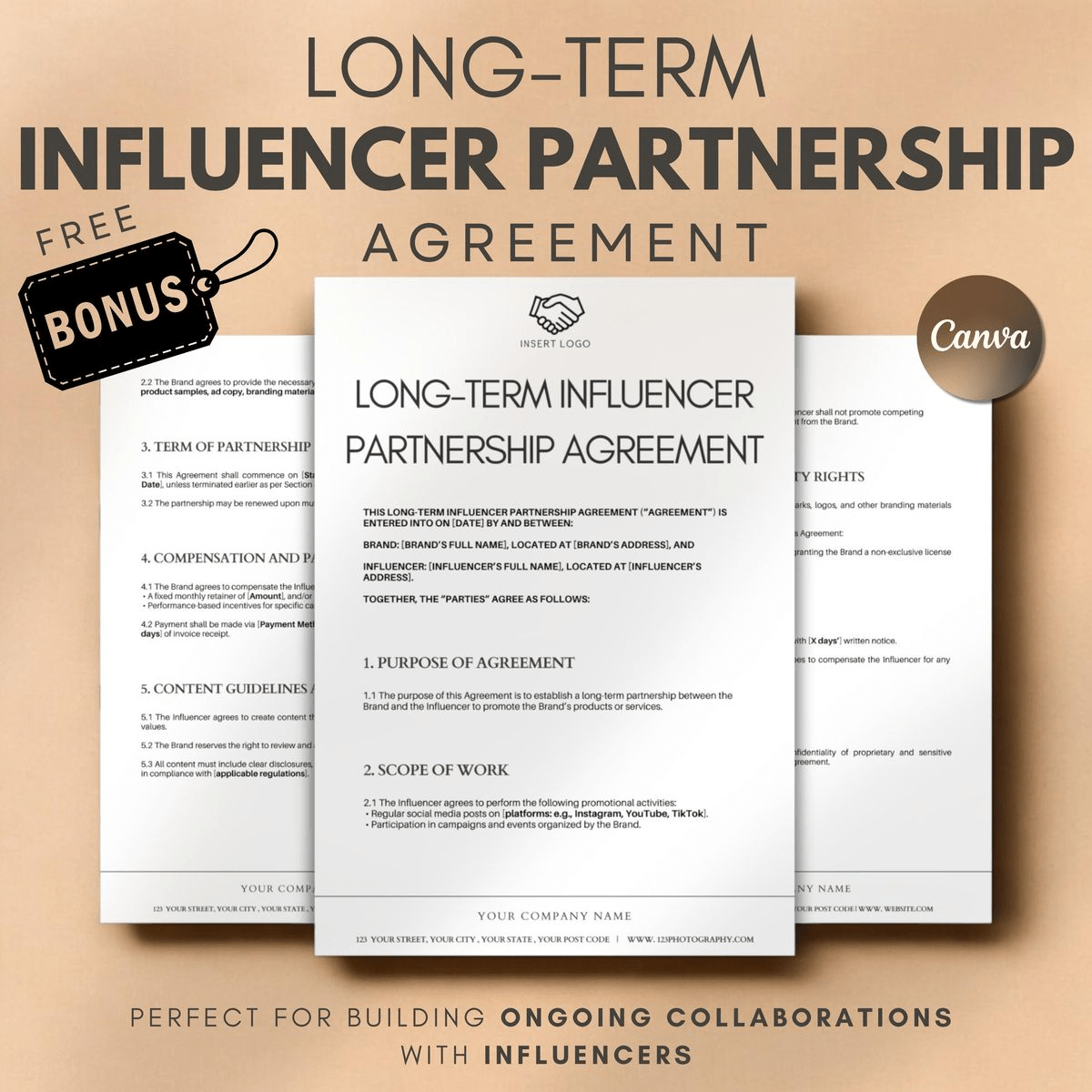
Best For: Brands seeking trust, loyalty, and narrative building.
Example: Nike’s multi-year partnerships with athletes and creators to reinforce brand values.
Pros:
-
Deepens authenticity and audience trust.
-
Consistent storytelling and recall.
-
Cost-efficient in the long run.
Cons:
-
Requires higher investment.
-
Long-term alignment and commitment are essential.
PRO TIP: Ambassadorships work best with mid-tier influencers (50k-500k followers) who have niche authority.
5. Giveaways & Co-Creation
These involve collaborative campaigns like contests, product drops, or co-designed merchandise.
Best For: Fast follower growth, engagement spikes, and hype-building.
Trend 2025: Co-created products (e.g., influencer x brand capsule collections) drive 3x higher engagement (Forbes 2025).
Pros:
-
High buzz and virality.
-
Expands audience crossover.
-
Builds community excitement.
Cons:
-
Logistically complex.
-
Needs legal clarity for contests, shipping, and ownership rights.
PRO TIP: Pair giveaways with a social challenge (UGC) to maximize organic reach.
How to Choose the Right Collaboration Type
The right partnership depends on three factors:
- Campaign Goals, Awareness → Paid | Sales → Affiliate | Engagement → Giveaways.

-
Budget, Small → Barter; Large → Paid + Ambassadorship.
-
Audience Fit, Influencer’s niche, engagement rate, and authenticity.
PRO TIP: Always run a trial campaign before committing to long-term deals.
Real-World Example, HelloFresh’s Hybrid Model
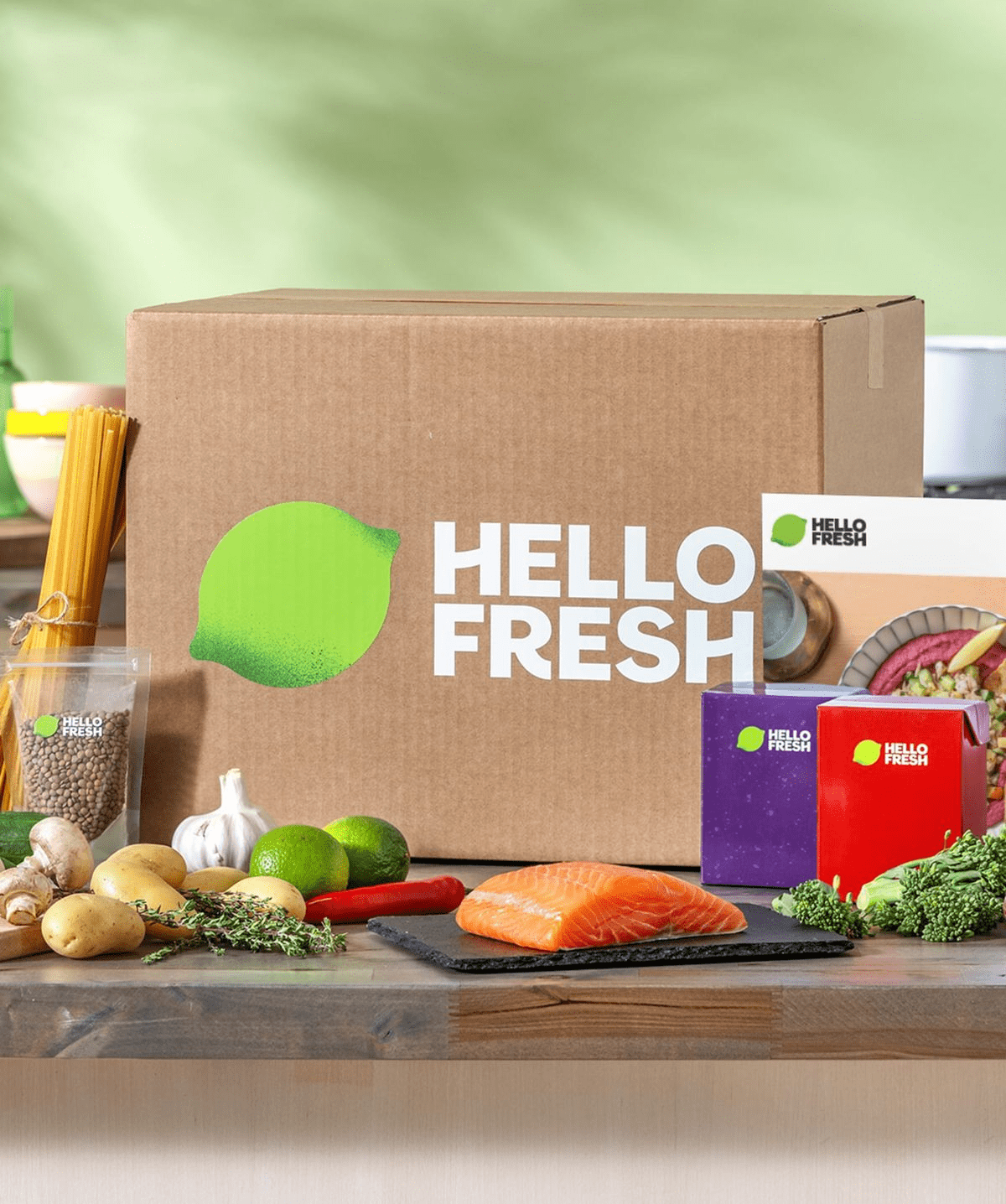
Meal-kit giant HelloFresh successfully combines paid sponsorships + affiliate partnerships. Influencers are paid for guaranteed exposure, while also incentivized with affiliate commissions, ensuring both reach and performance-based ROI.
Final Thoughts
No single collaboration type works for every brand. The most effective campaigns in 2025 will use a hybrid mix, blending paid, affiliate, and ambassador strategies tailored to objectives. Using influencer management tools like Synclify, Aspire, or Upfluence ensures campaigns stay trackable, transparent, and scalable.
FAQs
Q1: Can I combine different collaboration types in one campaign?
Yes. Mixing paid, affiliate, and barter strategies diversifies reach and engagement.
Q2: How do I negotiate barter deals?
Clearly define expected deliverables, deadlines, and usage rights before shipping products.
Q3: Are affiliate programs only for e-commerce?
Mostly yes, but they also work for service brands (signups, subscriptions, bookings).
Q4: What makes a good brand ambassador?
Authenticity, consistent storytelling, and alignment with brand values.
Q5: How do I measure ROI across different collaboration types?
Track reach, engagement, sales conversions, and cost per action (CPA) using affiliate dashboards and campaign reports.